Step into Paul Flynn’s kitchen: seasonal Irish cooking, practical professional insight and dishes worth putting on your menu.
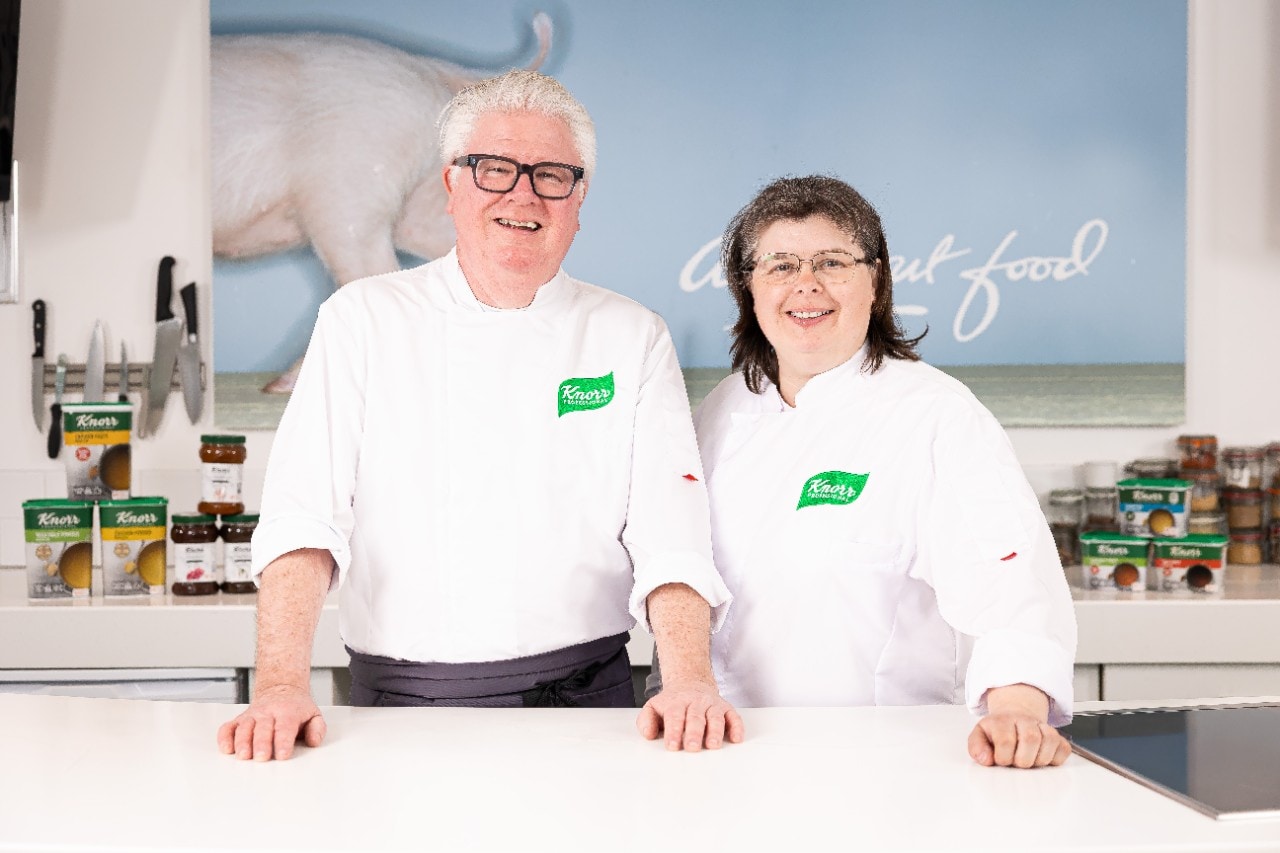
Renowned Irish chef Paul Flynn, owner of the celebrated Tannery Restaurant and Cookery School in Dungarvan, Co. Waterford, has created four exclusive seasonal recipes for Knorr Professional.
Drawing on his passion for honest, ingredient-led cooking and the very best of Irish produce, Paul's dishes range from a sun-drenched summer roast chicken to an elegant spring seatrout, a hearty autumn gnocchi and a rich winter pork belly — each one a masterclass in accessible, flavour-forward cooking for professional kitchens.
Throughout, Paul turns to Knorr Professional's range of bouillon products to enrich his sauces, stocks and braises, using their depth and versatility to amplify authentic flavours and bring every dish to life.
Paul Flynn has created four delicious recipes exclusively for Knorr Professional. Perfect additions to any menu - why not give them a go!
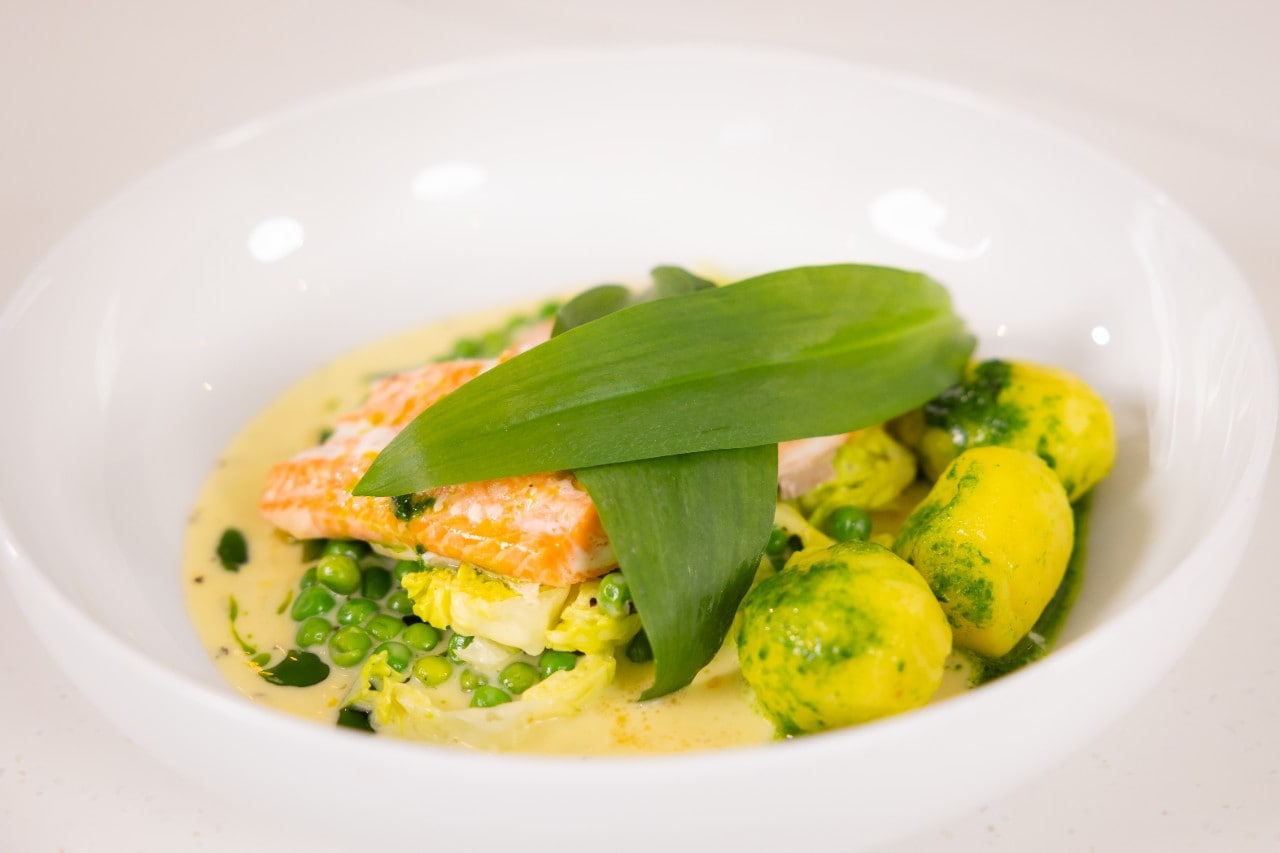
This video player may use cookies or other browser storage. If you agree to this please click the Accept button below.
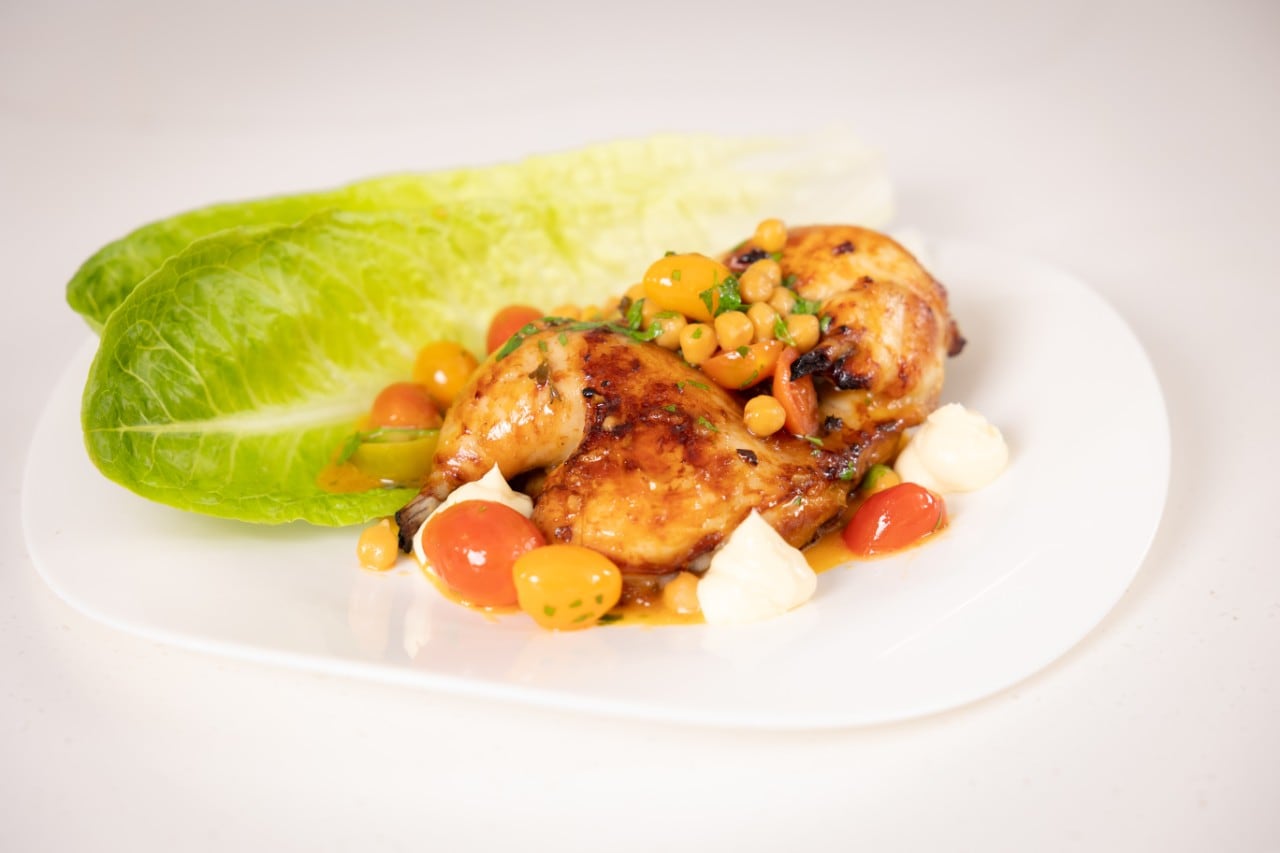
This video player may use cookies or other browser storage. If you agree to this please click the Accept button below.
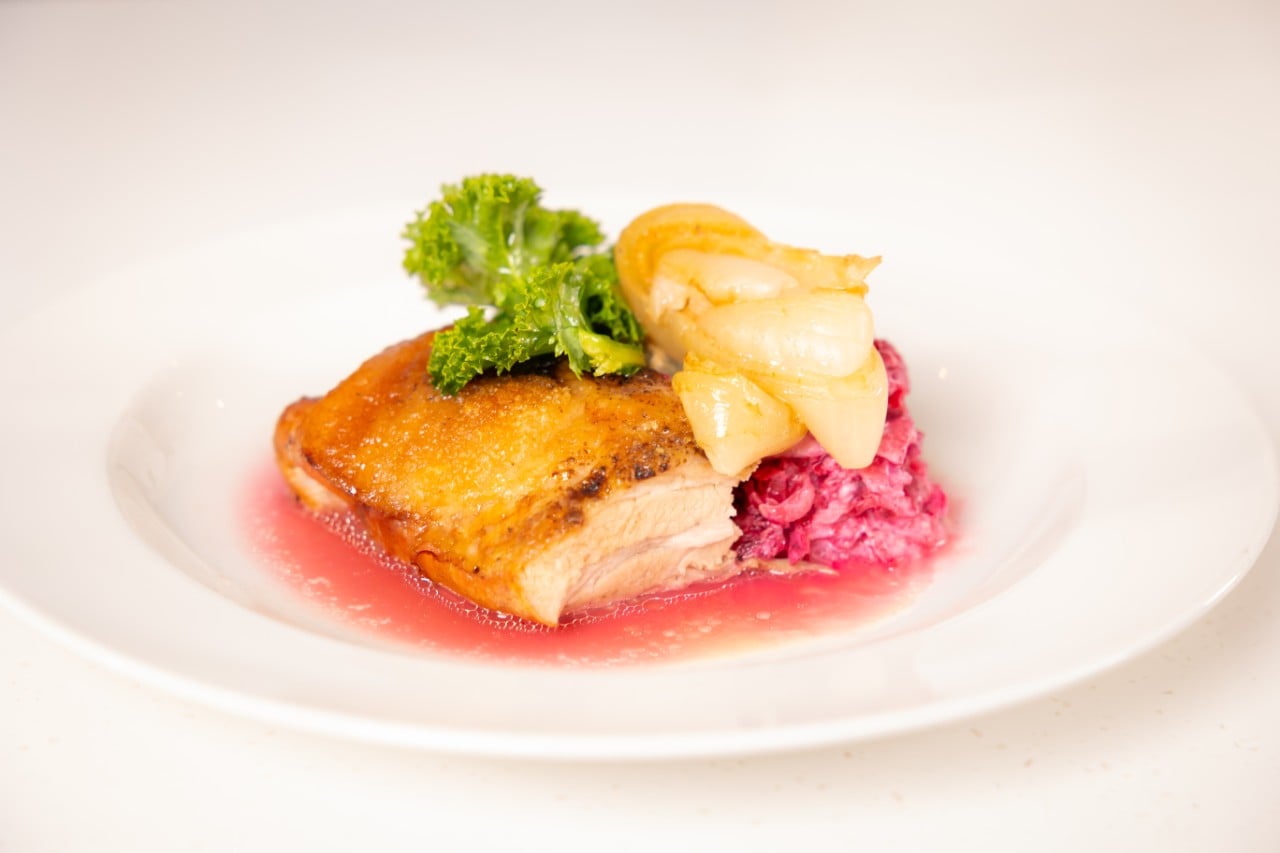
This video player may use cookies or other browser storage. If you agree to this please click the Accept button below.
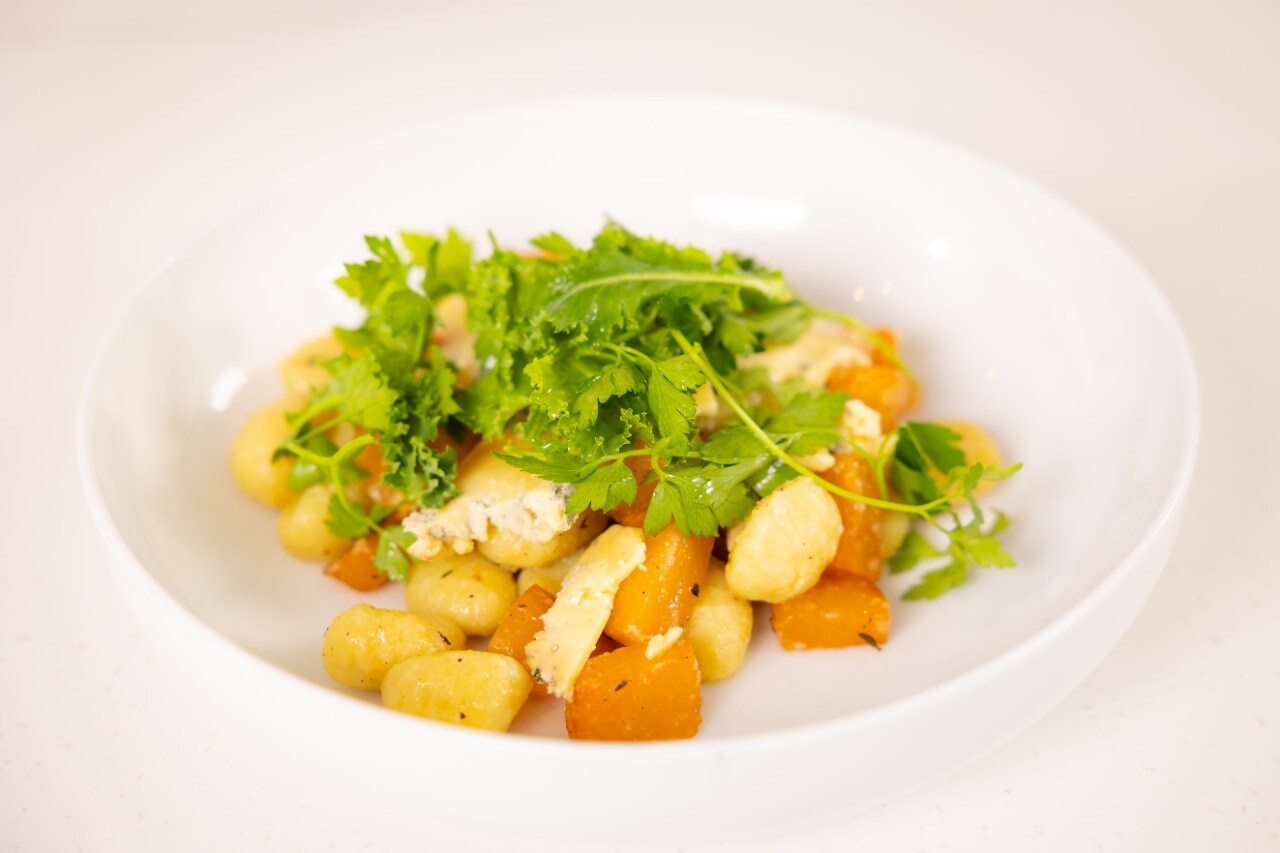
This video player may use cookies or other browser storage. If you agree to this please click the Accept button below.
This video player may use cookies or other browser storage. If you agree to this please click the Accept button below.
Future Menus trends, translated. Four recipes, three trends, Paul Flynn's interpretation.
Street Food Couture. Borderless Cuisine. Diner Designed. Three of the biggest forces shaping menus across the globe. Step into Paul Flynn's kitchen and see how he turns them into recipes that work in a busy service.
Trends are easy to talk about and hard to cost. So we asked Paul Flynn to take three of the Future Menus 2026 trends and put them on a plate, in a format operators could actually run.
A Confit Duck Blaa that turns a Waterford bread roll into a premium handheld. A Sticky Harissa Chicken that borrows migas from Spain and solves a waste line while it's at it. A Thai Red Curry that ends up on linguini. And a Tandoori Cauliflower platter that hands the last step to the customer. Every dish is built on a Knorr Professional base for consistency, for speed, and to hold flavour steady when the covers pile up.
Four Future Menus 2026 dishes from chef Paul Flynn — Street Food Couture, Borderless Cuisine and Diner Designed, built for real foodservice kitchens with Knorr Professional.
Recipe 1 — STREET FOOD COUTURE — Confit Duck Blaa with apple relish and red cabbage sauerkraut
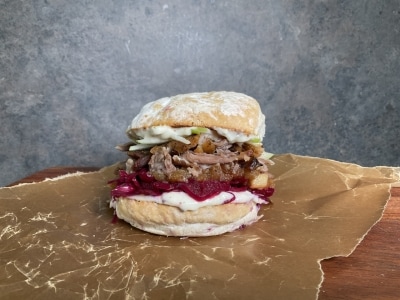
A Waterford blaa, confit duck, mustard and Gruyère béchamel, sauerkraut and apple. Street Food Couture doing exactly what it's meant to: keeping the street format, raising the execution.
Paul's way in is deliberately Irish as the blaa brings real regional identity. It's all prep, no pass pressure. The duck legs are confit ahead and crisped to order, and the béchamel and Bramley apple sauce hold for four to five days, so a chef makes them once and runs them all week. At service it's toast, spread, stack, send.
Paul’s insight: “A blaa is a humble thing and that's why it works. Chefs get nervous about putting street food on a menu at a proper price - they think they have to dress it up. You don't. Put something you'd be proud of inside, make sure there's acidity and crunch as well as richness, and let the bread be the bread.”
Recipe 2 — BORDERLESS CUISINE — Sticky Chicken with Harissa, Migas and Salsa Verde
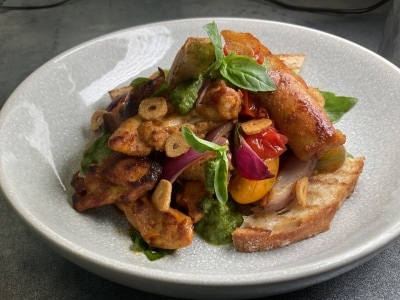
North African harissa, Spanish Migas, Italian salsa verde and Irish chicken thigh. Three cuisines that create a dish that turns yesterday's bread into the best thing on the plate.
Borderless Cuisine doesn't work if it's fusion for the sake of it. Paul's dish works because every element has a job. Harissa brings heat and colour. Migas, day-old bread fried in garlic oil, brings texture and clears a waste line at the same time. Salsa verde cuts through both. It assembles portion by portion, with under two minutes of wok work a serving.
Paul’s insight: “Migas started as a way of not throwing bread out and I don't think you should hide that. Day-old bread, garlic, good oil - it's peasant cooking and it's brilliant. Put it under harissa chicken and you've a dish that tastes expensive and costs almost nothing. The salsa verde isn't optional; without something sharp cutting through it, the whole thing sits heavy.”
Recipe 3 — BORDERLESS CUISINE — Thai Red Curry and Coconut Linguini
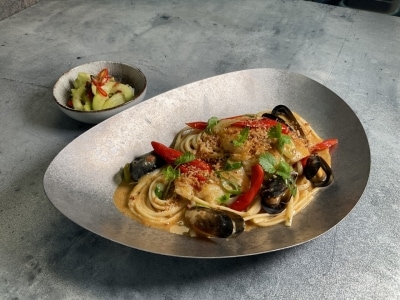
Thai red curry, coconut, mussels and hake served on linguini. It shouldn't work but it does. The curry becomes the sauce, the pasta carries it, and a sharp pickled cucumber salad stops the coconut taking over the plate.
Rather than layering several cuisines inside one plate, this dish makes a single swap: the noodle becomes pasta. The logic is operational as much as culinary. Every kitchen already stocks linguini and knows how it behaves under pressure. The mussels open into the curry base and season it as they go, and the hake sits on top so the dish reads as a main course rather than a bowl of pasta.
Paul’s insight: “Thai curry and pasta sound confused. But a red curry sauce and a good linguini get on very well - it's rich, it clings, it behaves itself. And every kitchen in the country knows how to cook linguini. The cucumber salad is the bit I'd insist on. That's not a garnish, that's the balance.”
Recipe 4 — DINER DESIGNED — Tandoori Cauliflower Wraps
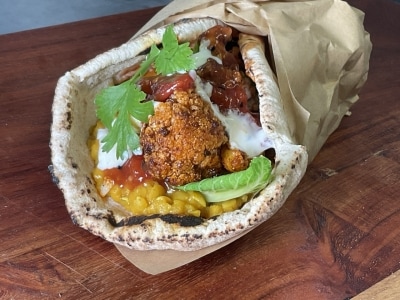
Tandoori cauliflower, korma lentils, tomato chutney and orange-garlic yoghurt, sent out on a platter with warm khobez so the table builds its own. Serves six, and every element is prepped ahead.
Diner Designed is personalisation without operational chaos, and this is the cleanest version of it you'll see: one platter, five components, nothing cooked to order. At service it's reheat, plate separately, send - the customer does the rest. That's exactly where the perceived value comes from, at no extra cost to deliver. It also gives you a vegetarian centrepiece rather than a substitution.
Paul’s insight: “Letting people build their own is part of the fun of this dish. But every component has to be right on its own, because there's nowhere to hide when it's all sitting in separate bowls. The vegetarian option becomes the thing everybody wants a go at, rather than the dish you order because there's nothing else for you.”